
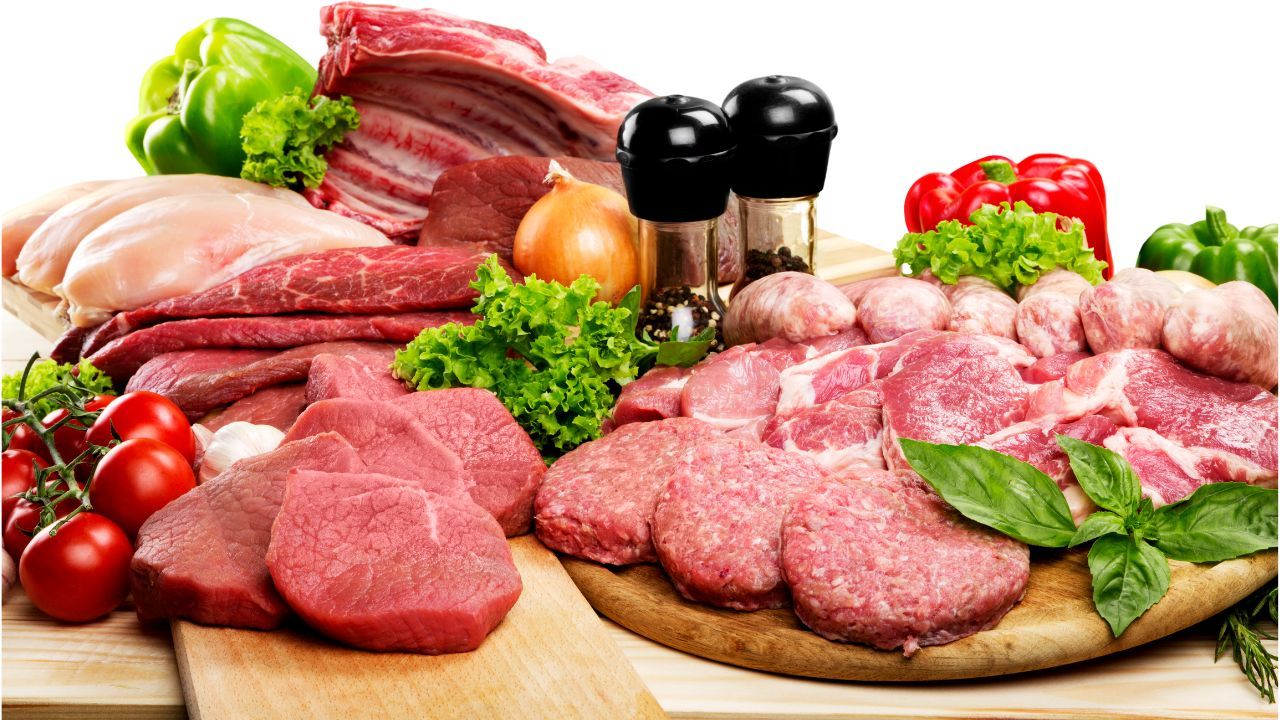
Are you suffering from kidney disease and confused about what meats to include in your diet? Don't worry, you're not alone. In this comprehensive guide, we'll cover everything you need to know about meat and protein in the renal diet, including the ideal amount of protein for kidney disease, the role of animal protein, and when low-potassium meats can be helpful or harmful. You’ll also find a short primer on what low potassium (hypokalemia) actually means — its causes, symptoms, and the foods that move your levels — plus a full potassium chart for meats, fish, and deli items.
What Causes Low Potassium (Hypokalemia)?
A normal blood potassium level sits between 3.5 and 5.0 mmol/L; below 3.5, doctors call it hypokalemia. In kidney disease the more familiar problem is potassium running high, but low readings happen too. The usual culprits are diuretics (“water pills”), vomiting or diarrhea, heavy laxative use, heavy sweating, and diets very low in potassium-rich foods. Less often, certain hormonal and kidney tubule disorders keep the body from holding on to potassium.
Symptoms of Low Potassium
Mild dips often cause nothing you would notice. As levels fall, muscle weakness, cramps, fatigue, and constipation creep in; deeper drops can bring palpitations and dangerous heart rhythm problems — a level below 2.5 mmol/L needs emergency care. If you take blood-pressure or kidney medication such as a diuretic or an SGLT2 inhibitor like Farxiga (dapagliflozin), your care team already checks electrolytes with routine labs; it is worth asking where your potassium sits.
Foods High in Potassium
When potassium needs raising, food does it gently: bananas, oranges and orange juice, potatoes and sweet potatoes, tomatoes, beans and lentils, dried fruit, dairy, and fish such as salmon or halibut are all rich sources. For many CKD patients the same list works in reverse — these are the foods your dietitian may ask you to limit if your levels run high.
Protein and the Renal Diet: How Much Is Right?
First, let's take a look at protein. How much protein should you have with kidney disease? Well, it depends on the stage and cause of your kidney damage. In the early stages of CKD (stages 1-3), it's best to avoid high-protein diets. But for the late stages of CKD (stages 4-5 not on dialysis), a low-protein diet is usually recommended to preserve kidney function and reduce the risk of complications such as seizures from uremic toxin buildup in advanced kidney failure.When it comes to animal protein, the answer is not so straightforward. It depends on your stage and situation. However, limiting animal protein has been shown to delay CKD progression in some cases. But there are also situations where including low-potassium meats may be acceptable, such as during dialysis and cultural/religious preferences.On the other hand, low-potassium meats may not be helpful in some cases, such as if you're following a special diet for stage 4 or stage 5 kidney disease, if you're on a low potassium diet restriction, or if you have high phosphorus levels.
What Counts as a Low-Potassium Meat?
So, what makes a food, including meat, low in potassium? A food is considered low in potassium if it contains less than 200 milligrams of potassium per serving, which is typically 3 ounces or 100 grams.
When it comes to potassium content in various meats, fish, and deli items, clams have the lowest amount with only 58 milligrams per 100g serving. Shrimp also have a relatively low potassium content of 101mg per 100g serving. Canned light tuna has a slightly higher potassium content with 176mg per 100g serving. Unfortunately, there aren't many low-potassium meat options, especially in chicken, turkey, and other common meats. Chicken wings are the lowest in this category, containing 206 milligrams of potassium per 100-gram serving. In the deli category, bologna and corned beef have the lowest potassium content with 147mg and 136mg per 100g serving, respectively. On the other hand, Canadian bacon has the highest potassium content among the deli items, with a whopping 999mg per 100g serving. Moving on to fish, anchovy has one of the highest potassium contents with 544mg per 100g serving. Other high-potassium fish include halibut with 549mg, swordfish with 528mg, and fresh tuna with 557mg per 100g serving. Among the meats, pork chop has a relatively high potassium content of 486mg per 100g serving, while pork tenderloin has an even higher content of 536mg per 100g serving. To conclude, the potassium content of different meats, fish, and deli items can vary greatly, and it is important to consider these differences when choosing your diet.
Potassium Chart: Meats, Fish, and Deli
Here is the potassium content of common meats, fish, and deli items, sorted from lowest to highest. Values are for baked, broiled, or steamed cooking methods.
| Food item | Potassium (mg) per 100 g serving |
|---|---|
| Clams | 58 |
| Shrimp | 101 |
| Corned beef | 136 |
| Bologna | 147 |
| Canned light tuna | 176 |
| Oysters | 193 |
| Liverwurst | 199 |
| Ocean perch | 200 |
| Flounder | 203 |
| Lobster | 247 |
| Turkey breast (skinless) | 249 |
| Duck (skinless) | 251 |
| Scallops | 253 |
| Chicken breast (skinless) | 256 |
| Pepperoni | 274 |
| Chicken thigh (skinless) | 277 |
| Steak | 283 |
| Eel | 291 |
| Ground chicken | 292 |
| Crayfish | 294 |
| Cod | 297 |
| Turkey-Ham (deli slices) | 299 |
| Ground beef | 302 |
| Kielbasa | 306 |
| Beef shortribs | 310 |
| Venison | 311 |
| Crab | 319 |
| Sea bass | 324 |
| Pike | 328 |
| Perch | 340 |
| Hot dog (beef) | 343 |
| Chicken (deli slices) | 360 |
| Haddock | 362 |
| Salami | 363 |
| Turkey (deli slices) | 371 |
| Lamb chop | 373 |
| Tilapia | 382 |
| Catfish | 382 |
| Salmon | 391 |
| Herring | 413 |
| Ham (deli slices) | 425 |
| Mackerel | 436 |
| Squid | 441 |
| Trout | 476 |
| Pork chop | 486 |
| Swordfish | 528 |
| Anchovy | 544 |
| Halibut | 549 |
| Bacon | 557 |
| Tuna (fresh) | 557 |
| Mussels | 573 |
| Octopus | 626 |
| Roast beef (deli slices) | 647 |
| Pastrami | 647 |
| Turkey bacon | 666 |
| Canadian bacon | 999 |
Kidney-Safe Meal Ideas
A few plates that keep potassium modest while covering protein sensibly (portions of about 3 ounces / 100 g): baked flounder with white rice and green beans; a shrimp and bell-pepper stir-fry; roast turkey breast with cauliflower mash; or a light tuna salad sandwich on white bread. To drink, a warm or iced cup of hibiscus tea pairs well with a kidney-friendly meal — read our dos-and-don’ts guide first, since it has cautions of its own.
In the end, the renal diet can seem overwhelming, especially when it comes to choosing the right meats and proteins. However, by using the guidelines discussed in this guide, you can confidently make choices that support your overall health and well-being. Keep in mind that every kidney journey is unique and it's important to have a personalized diet plan tailored to your specific kidney stage and health conditions. If you're looking for more support, simply click below to request a customized diet plan that fits your needs.
Frequently Asked Questions
What meats are low in potassium?
Fresh poultry such as chicken and turkey, and many cuts of fresh red meat, are moderate in potassium and can fit a renal diet in controlled portions. Portion size matters more than the type, since potassium adds up with quantity.
Is chicken high in potassium?
Chicken is moderate, not high — a typical serving is manageable on most renal diets when portioned appropriately. Watch total daily protein and how it is prepared, since broths, sauces, and large servings push potassium up.
Is processed meat like bologna or corned beef bad for kidney disease?
Processed and cured meats are a bigger concern for their sodium and phosphate additives than for potassium itself, and that combination is hard on the kidneys. Fresh, unprocessed cuts in controlled portions are the better choice.
How much protein should you eat with kidney disease?
It depends on your stage and cause — earlier stages often call for moderate, controlled protein, while dialysis can require more. Your nephrologist or renal dietitian should set your target, since both too much and too little carry risks.
Can low potassium cause hair loss?
Potassium deficiency is not one of the classic, well-proven causes of hair loss, though severe or long-standing deficiency puts stress on the whole body and can show up in hair, skin, and energy levels. If shedding is your main concern, we cover the evidence in detail in our article on low potassium and hair loss.
Is low potassium a sign of cancer?
Usually not. The common causes are far more mundane — diuretics, vomiting or diarrhea, laxative overuse, or simply eating too little of it. Very rarely, hormone-producing tumors can drive potassium down, which is one reason persistent, unexplained low potassium deserves a proper medical workup rather than guesswork. When ongoing vomiting or diarrhea is the cause, bringing the vomiting under control also helps steady your potassium.
What are the first symptoms of low potassium?
Early signs are easy to miss: muscle weakness or cramps, tiredness, and constipation. As levels fall further, heart palpitations and irregular rhythms can appear — a level below 2.5 mmol/L is a medical emergency, so severe symptoms belong in the ER, not on a waiting list.