
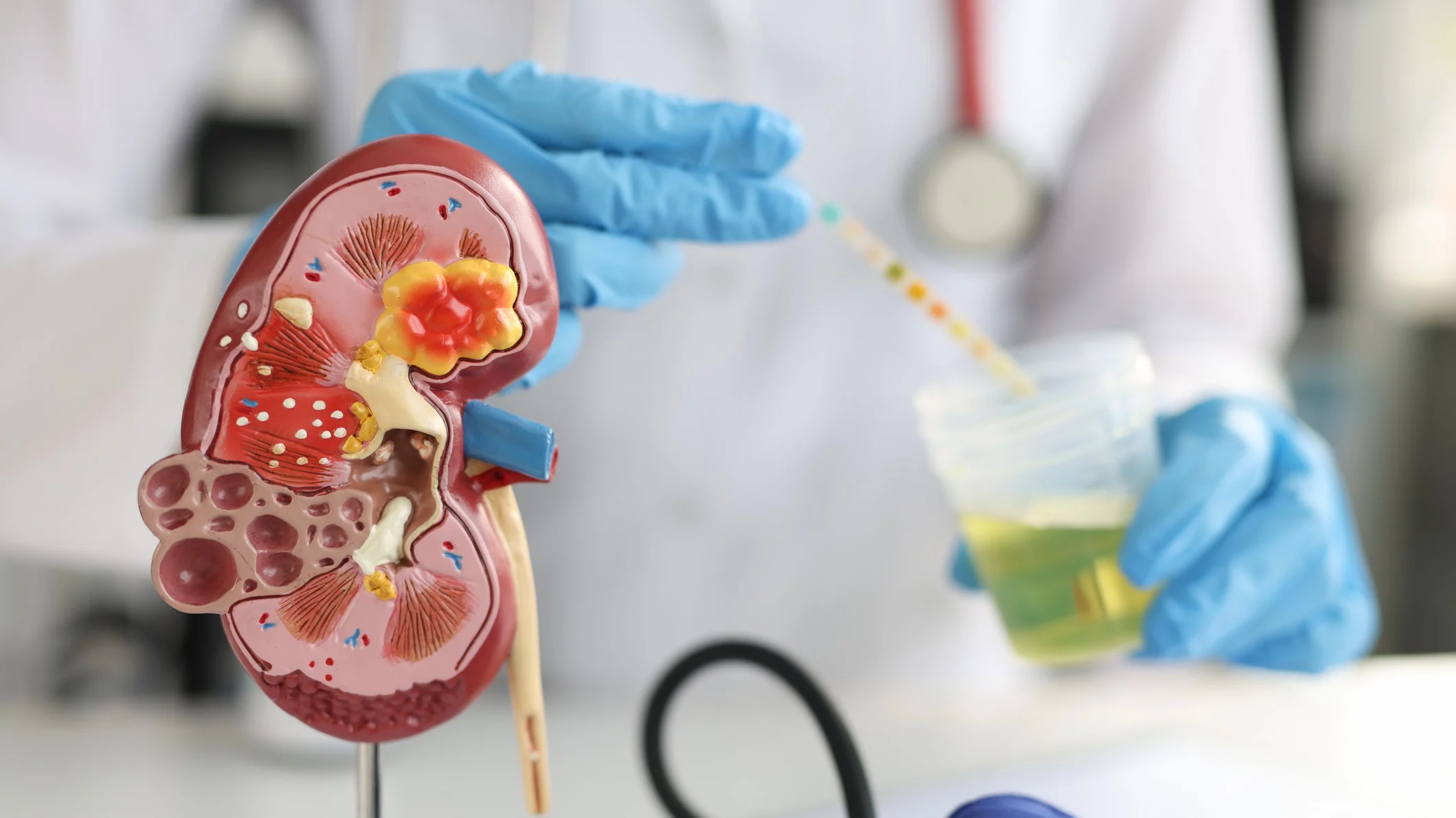
About 8-10 million cases of Chronic Kidney Disease remain a top concern globally. However, managing this disease, using Farxiga, a medicinal product, is possible. However, when kidneys fail to perform their role normally waste products and toxins develop in the blood causing a great health burden and harming health systems. At Dr. Bismah's Holistic Advanced Kidney Care Center we recognize the value in remaining informed about treatment options; today we'll discuss How does Farxiga Work for Chronic Kidney Disease as well as any limitations it might present when trying to reverse existing damage.
Farxiga: New Tool in CKD Fight
Dapagliflozin, also known as Farxiga, is a drug which is referred to a class of medicines called SGLT2. Inhibitors and functions on SGLT2, a protein situated in the kidneys, are mainly responsible for reabsorbing sugar (glucose) and sodium from the urine back into the bloodstream. Farxiga works by preventing the SGLT2 so that excesses of sugar level and sodium are thrown out with urine, and as a consequence blood glucose is low, and possibly the kidneys are unloaded.
How it can Benefit CKD Patients?
Here's how Farxiga may benefit patients living with chronic kidney disease:
@kidneyhealthmd Farxiga - how effective is it at improving kidney function? Lets focus on stopping kidney damage and improving kidney function. Visit https://linktr.ee/drbismah to learn more about how to improve your kidney health. #KidneyHealth #MaximizeKidneyHealth #Inflammation #ChronicKidneyDisease #FunctionalMedicine #HealthyDiet #HealthyLifestyle #Drbismah #KidneyCare #PersonalizedPlan #HolisticApproach #HolisticHealing #PersonalizedTreatment #NaturalRemedies #KidneyDisease #DrIrfan #Detoxification #md #kidneydoctor #Kidneydiet #farxiga ♬ original sound - Kidney and Holistic MD
- Lower Blood Sugar: High blood sugar can play a significant role in kidney disease progression; Farxiga's ability to lower blood sugar may help slow its decline and protect patients with diabetic renal dysfunction from further kidney function loss.
- Lower Blood Pressure: Farxiga may also help lower blood pressure, another contributor to chronic kidney disease progression.
- Reduce Fluid Retention: By flushing away extra sodium through urine removal, Farxiga helps manage fluid build-up a common issue among CKD patients.
Farxiga was approved by the Food and Drug Administration to treat chronic kidney disease in adults at risk, both with or without type 2 diabetes, who are at an elevated risk for disease progression. Results of clinical trials show a promising reduction in risk for kidney failure as well as cardiovascular complications.
Can Farxiga Reverse Kidney Damage?
Farxiga can bring many advantages in managing chronic kidney disease (CKD), yet we all must acknowledge its limitations. While Farxiga cannot repair existing damage to kidney tissue, it may slow its progression significantly and in certain instances even improve kidney function.
Key Point to Remember:
Early diagnosis and intervention are integral in managing chronic kidney disease. If you suspect you might have it, do not hesitate to schedule a consultation with Dr Bismah - it gives us time to implement a personalized treatment plan tailored specifically to you that includes
- lifestyle modifications
- dietary adjustments
- medications (such as Farxiga)
- necessary lifestyle modifications
When Was Farxiga Approved? A Short Timeline
Farxiga (dapagliflozin) was first approved by the FDA in 2014 for type 2 diabetes. In 2020 it gained approval for heart failure with reduced ejection fraction, and in April 2021 the FDA approved it for chronic kidney disease in adults at risk of progression — with or without diabetes. That last step changed nephrology practice: for the first time in roughly two decades, kidney specialists had a new drug class shown to slow CKD itself.
What the Clinical Trials Show
The CKD approval rests mainly on the DAPA-CKD trial, published in the New England Journal of Medicine in 2020. It followed 4,304 people with chronic kidney disease, about a third of whom did not have diabetes. Dapagliflozin 10 mg daily cut the combined risk of a major eGFR decline, kidney failure, or death from kidney or cardiovascular causes by 39% compared with placebo (DAPA-CKD, NEJM 2020). The benefit looked much the same whether or not a participant had diabetes.
Empagliflozin, a closely related SGLT2 inhibitor, told a consistent story: the EMPA-KIDNEY trial reported in 2023 that it slowed kidney disease progression across a broad range of patients (EMPA-KIDNEY, NEJM 2023). Together the two trials give solid evidence that this drug class protects kidneys.
Farxiga Dosing for CKD
The usual dose for chronic kidney disease is 10 mg once a day, with or without food. Current prescribing information allows starting it when eGFR is 25 or higher; below that, treatment is not usually started, although people already taking it are often kept on it. These are decisions for your nephrologist — the dose should never be self-adjusted.
Side Effects to Know About
Most people tolerate Farxiga well. The most common problems are genital yeast infections and urinary tract infections, which relate to the extra sugar leaving through the urine. Because the drug also removes fluid, some people feel lightheaded or dehydrated, especially when it is combined with diuretics. Rare but serious risks include ketoacidosis — one reason your care team may tell you to pause the drug during serious illness, fasting, or before surgery. Report anything unusual promptly rather than stopping on your own.
Who Benefits — and Who Should Not Take It
Farxiga suits adults with CKD at risk of progression, particularly when there is protein in the urine, and people with type 2 diabetes or heart failure alongside kidney disease. It is not used in type 1 diabetes, on dialysis, or during pregnancy and breastfeeding. Whether it fits you depends on your labs and your full medication list — a conversation for your next nephrology visit.
Where Farxiga Fits in a Holistic Kidney Plan
Medication works best on a foundation of daily habits. Farxiga combines well with dietary work — controlling protein portions and choosing wisely from a low-potassium food plan when your labs call for it — and with supportive measures such as hibiscus tea, blood-pressure control, and regular movement. At our practice we treat it as one tool inside a personalized protocol, not a replacement for the fundamentals.
Coping Effectively with Chronic Kidney Disease
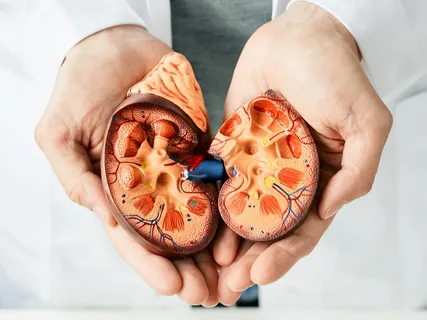
At Dr. Bismah's Holistic Advanced Kidney Care Center, we take an integrative approach to kidney health management. While medications such as Farxiga can play an essential part, lifestyle modifications also play a crucial role. Here are a few helpful suggestions for managing chronic kidney disease effectively:
- Maintain a Healthy Weight: Obesity is one of the main risk factors of chronic kidney disease; consequently, each substantial weight loss will have a positive effect and achieve significant improvement in renal health.
- Manage Blood Pressure: Increased blood pressure causes blood vessels to become narrow and lose their elasticity, resulting in renal complications. Yogurt, eggs, and berries are ideal for breakfast because they are simple and quick meals that can be adapted easily. These options are also good choices because they have a low glycemic index.
- Manage Blood Sugar: Maintaining appropriate sugar levels in the blood becomes crucial in case of diabetes where any further damage to the kidneys is prevented.
- Follow a Kidney Stone Diet: The ‘Kidney Stone Diet and Prevention Blog’ by Dr Bismah presents information that can facilitate the development of a diet plan to promote kidney health.
- Stay Hydrated: The kidneys will eliminate the large molecules from the blood faster with a sufficient intake of water than those with a limited amount of water, and this will prevent the disease development from chronic kidney disease.
- Limit Smoking and Alcohol Intake: Smoking cigarettes or the excessive use of alcohol will cause more problems to the kidneys and this should be aided by limiting these lifestyle choices just for the sake of better health results.
Final Thoughts
When living with Chronic Kidney Disease, remember you're not on your journey alone. Dr Bismah's Holistic Advanced Kidney Care Center can be here for support and personalized care, helping create a treatment plan tailored specifically for you that allows for healthy living and fulfilment of life!
Frequently Asked Questions
How does Farxiga help with chronic kidney disease?
Farxiga (dapagliflozin) is an SGLT2 inhibitor that began as a diabetes drug but is now approved to slow CKD progression. It eases the pressure inside the kidney's filters, reduces protein leakage, and lowers the workload on the kidneys, which helps protect function over time.
Can Farxiga reverse kidney damage?
No. Farxiga does not reverse existing damage, but it can meaningfully slow the decline in kidney function and delay progression. Its value is protecting the function you still have, alongside blood pressure and blood sugar control.
Do you need diabetes to take Farxiga for kidney disease?
No. Although it started as a diabetes medication, Farxiga is now approved to slow CKD progression in people with and without diabetes. Your nephrologist decides whether it fits your situation.
Is Farxiga a substitute for other kidney care?
No. It works best added to the foundations: blood pressure control, blood sugar management, diet, and addressing root causes. It is one protective tool, not a stand-alone cure.
When was Farxiga approved for chronic kidney disease?
The FDA approved Farxiga for chronic kidney disease in April 2021, for adults at risk of progression with or without type 2 diabetes. The drug itself is older — approved for type 2 diabetes in 2014 and for heart failure in 2020.
What is the usual dose of Farxiga for CKD?
The standard dose is 10 mg once a day. It is generally started when eGFR is 25 or above; below that, your nephrologist decides whether to continue rather than start it. Never adjust the dose yourself — it is tuned to your labs and other medications.
What are the most common side effects of Farxiga?
Genital yeast infections and urinary tract infections are the most frequent, since extra sugar leaves through the urine. Some people feel lightheaded from fluid loss, especially alongside diuretics. Rarely, ketoacidosis can occur — your care team may pause the drug during serious illness or before surgery.